
Sharing Skills
At a community skill swap, say whether you are teaching or doing the job
A community skill swap works better when offers distinguish a lesson from a completed task. Define the time, materials and limits before matching neighbours.

Practical ideas for people building something together.
A community skill swap works better when offers distinguish a lesson from a completed task. Define the time, materials and limits before matching neighbours.
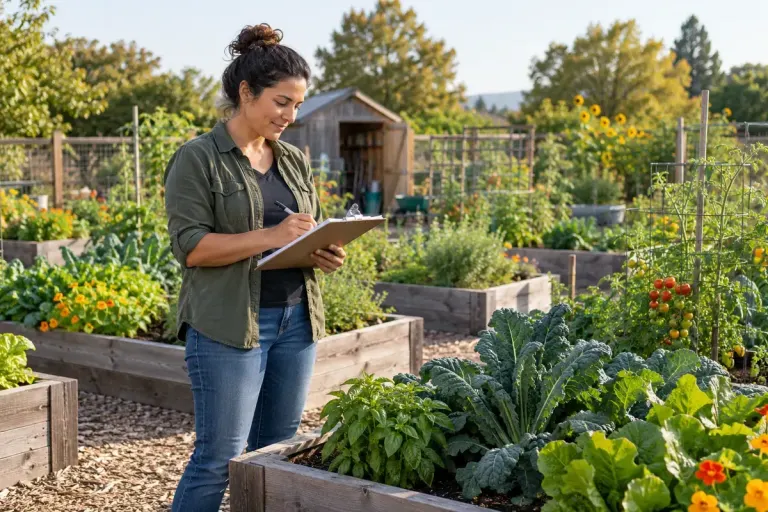
Keep a community garden waiting list current with clear renewal, contact and offer rules, while preserving applicants’ place when they respond as agreed.

Check whether a grant requires match funding, what contributions qualify and when evidence is needed before committing a community project budget.
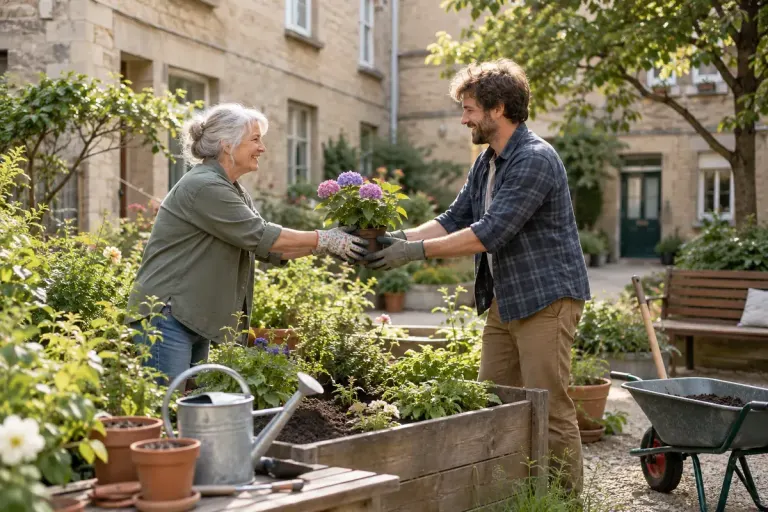
Set up clearer time-bank exchanges by agreeing on tasks, expenses, boundaries and how hours are recorded before neighbours begin helping.
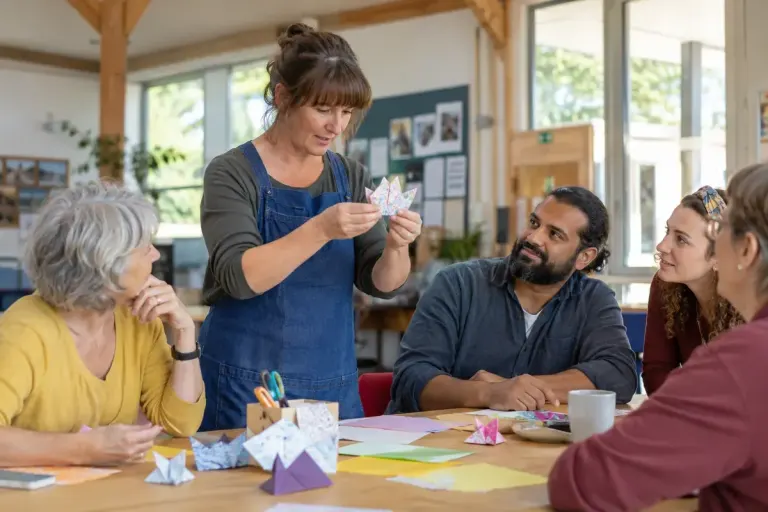
A community demonstration can teach a useful first step without awarding a qualification. Make the scope clear before people sign up.

A community garden can welcome visitors without leaving them to guess which crops are shared and which belong to individual plot holders.
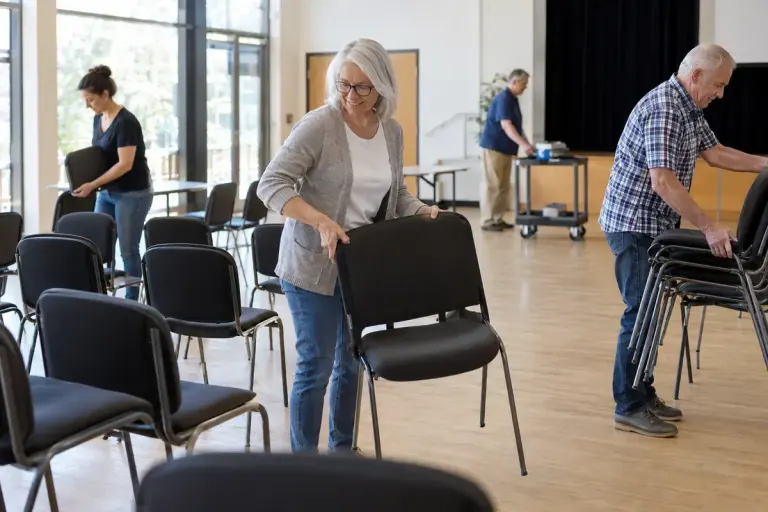
Build realistic changeover time into community-room bookings by separating guest access, setup, clearing and the next group’s arrival.
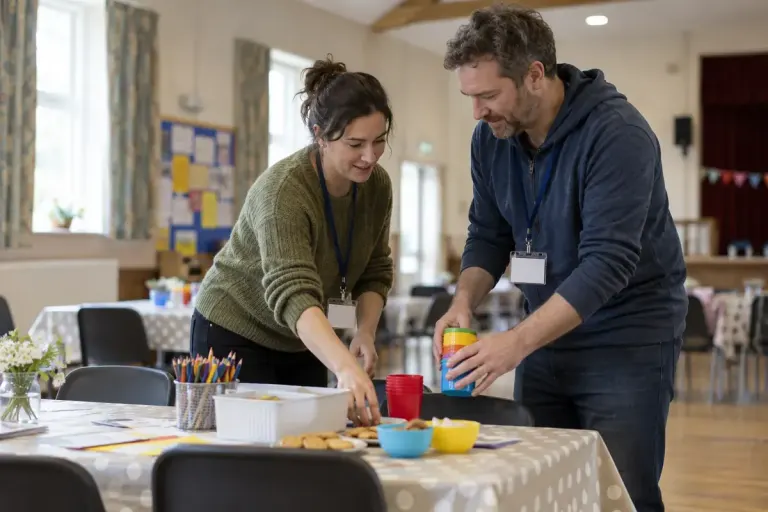
Give a new volunteer a bounded shadow shift with a named guide, clear permissions and a short debrief before asking them to work independently.
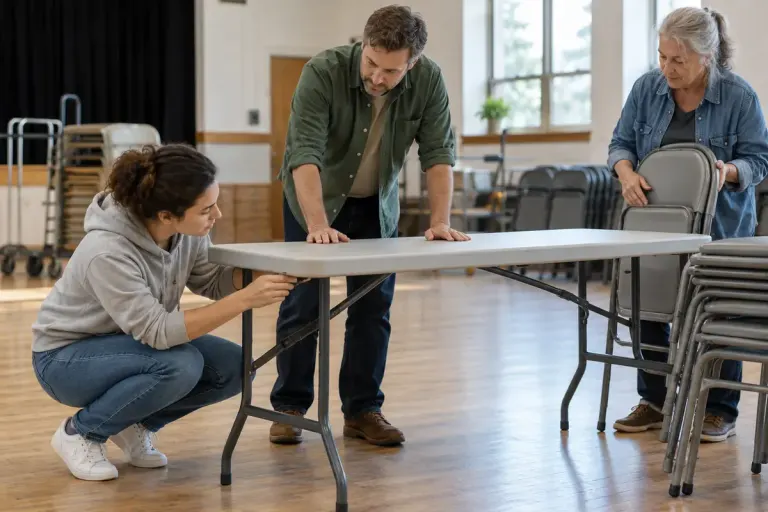
Assess donated equipment for condition, suitability, storage and responsibility before a community group accepts ownership or puts it into use.