Community Projects
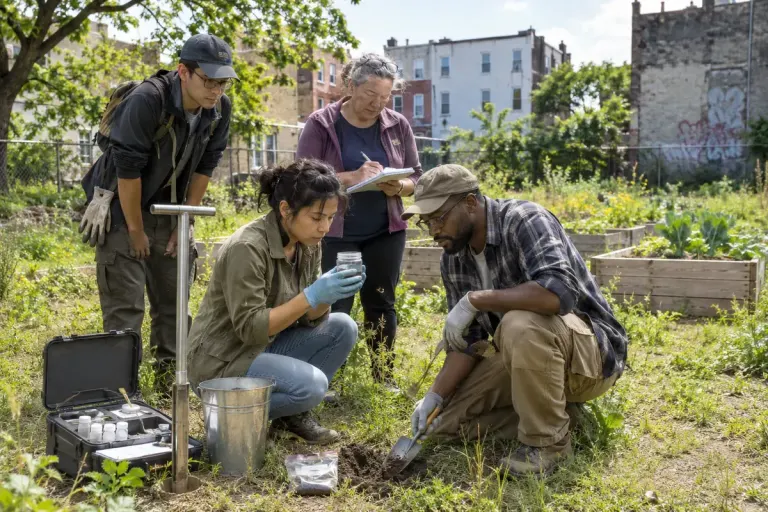
Planning a community garden on land with an industrial past
Before turning a former industrial plot into a community garden, investigate its history and contamination risks, then plan the site with qualified local help.

Practical ideas for people building something together.
Before turning a former industrial plot into a community garden, investigate its history and contamination risks, then plan the site with qualified local help.
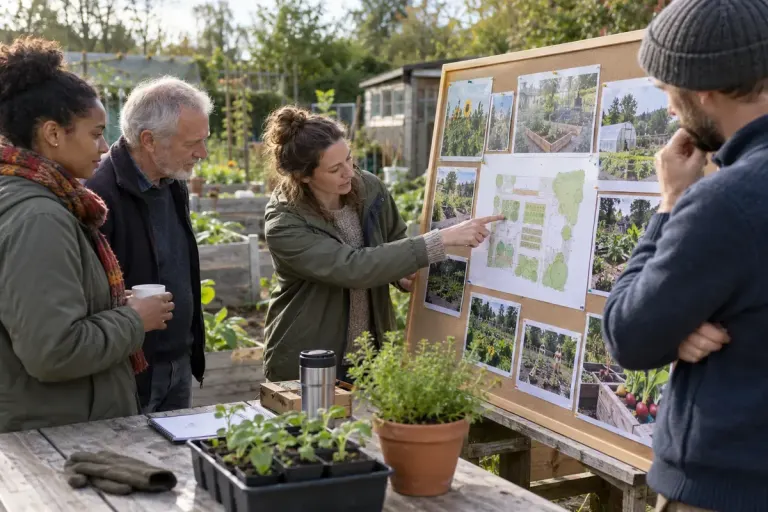
Activities show what a community project delivered; outcomes describe what changed. Build a modest evaluation that connects the two without claiming too much.

Plan how a community food project identifies affected stock, pauses distribution and passes official recall instructions to recipients.
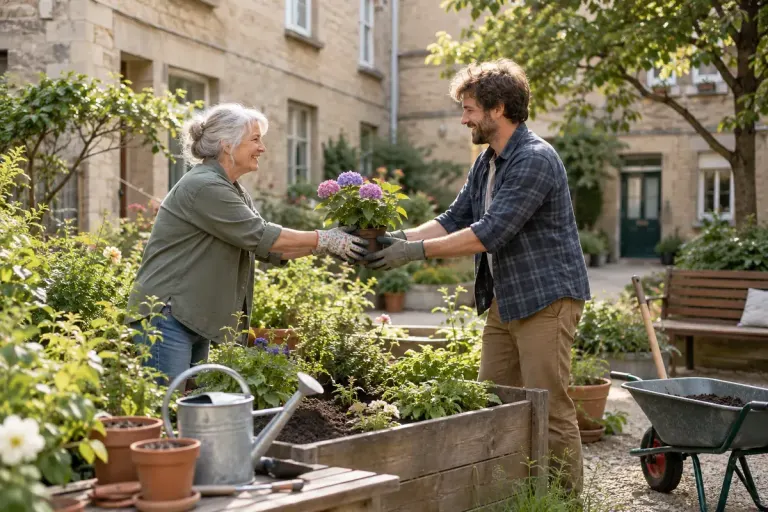
Set up clearer time-bank exchanges by agreeing on tasks, expenses, boundaries and how hours are recorded before neighbours begin helping.
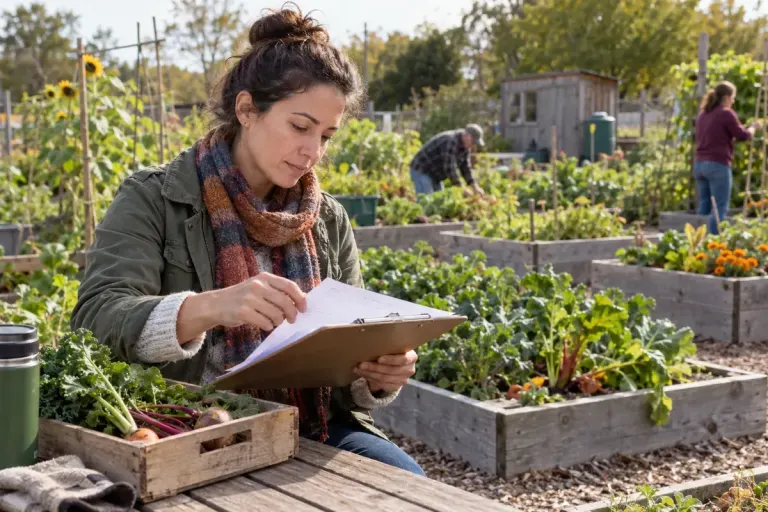
A community garden can welcome visitors without leaving them to guess which crops are shared and which belong to individual plot holders.
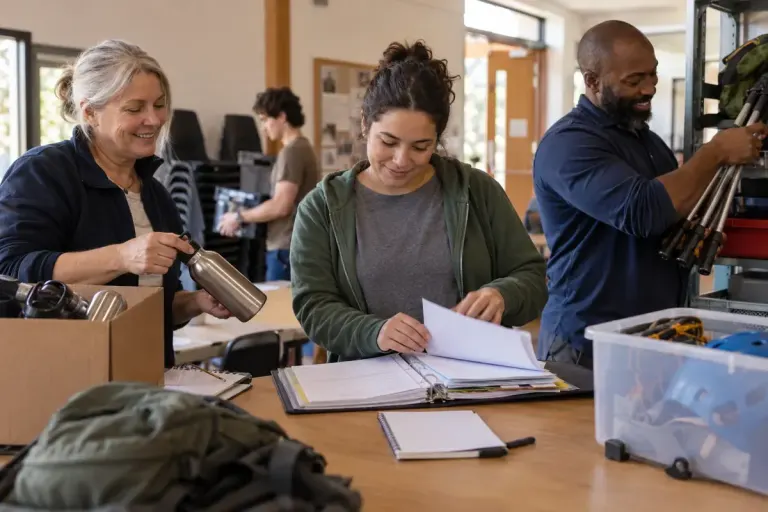
Finish a community project with a usable closeout record that identifies results, remaining work and who holds the essential documents.
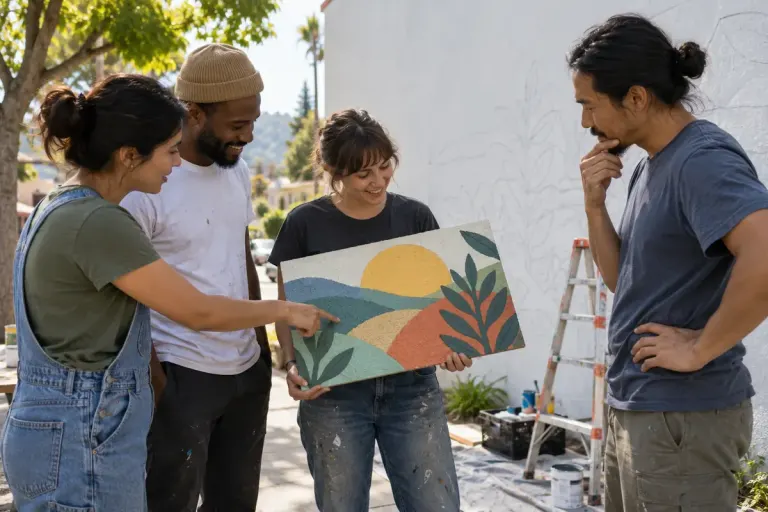
Agree who maintains a community mural, what happens when the wall changes and how the artwork will be documented before the first paint is applied.
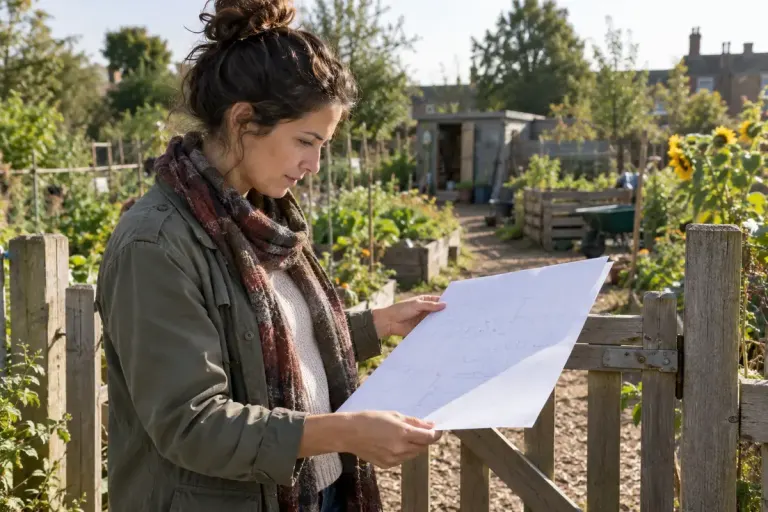
Clarify the permitted area, dates, activities and handback responsibilities before organising a community event on borrowed land.

Give a community pantry a practical intake process with accepted items, package checks, storage responsibility and a clear way to decline unsuitable donations.